The Art of Veneer: Transforming Spaces with Ranger Veneers
Few materials shape the feeling of a room as quietly, or as completely, as a veneer. This is a look at the versatility and beauty of Ranger veneers in interior design — the applications, the projects and the design thinking that turn a single leaf into a space.
Introduction to veneers and their benefits
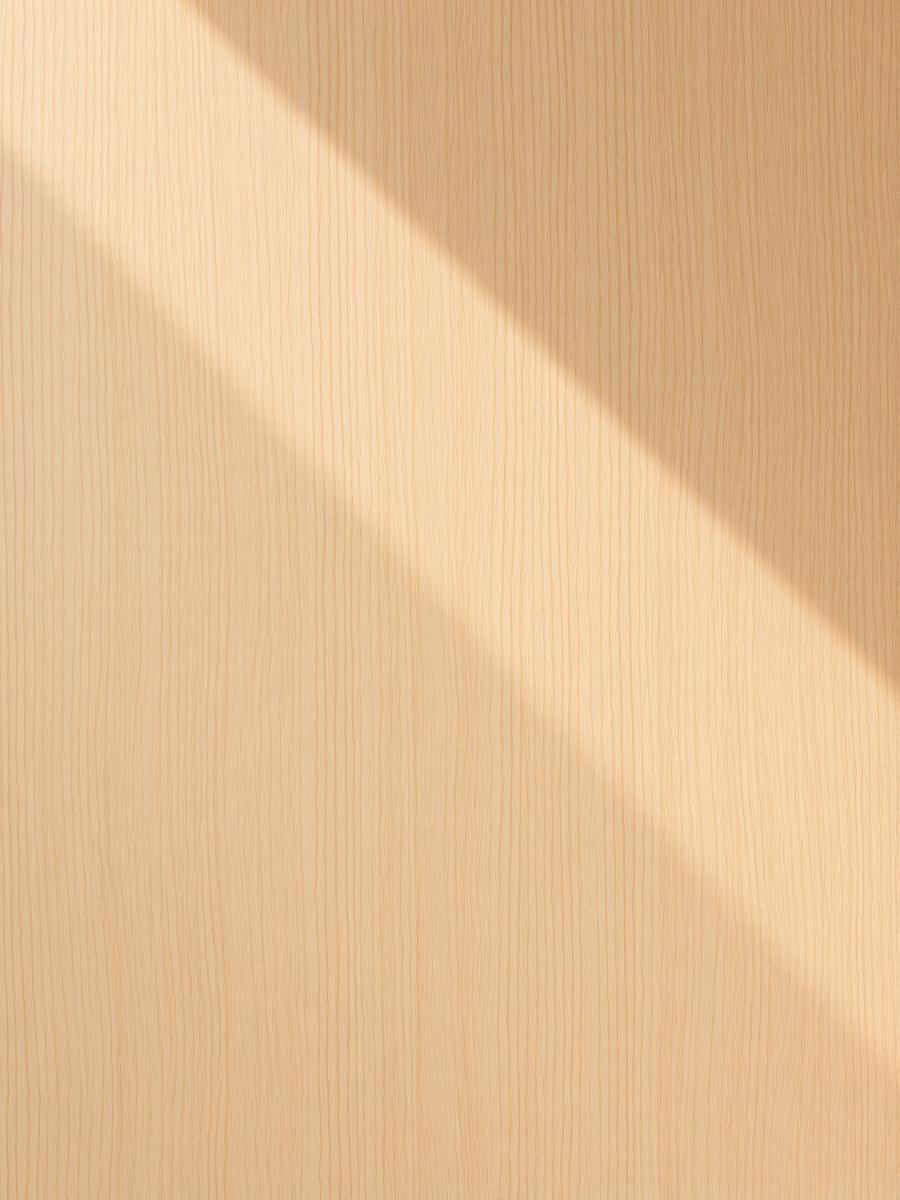
A veneer is a thin slice of natural timber, bonded to a stable substrate to create a surface that carries the full character of the tree without the weight, cost or movement of solid wood. Because the leaf is cut from a single log, it keeps the grain, the tone and the quiet irregularities that make natural material feel alive — while remaining dimensionally stable enough for walls, doors and fine furniture.
That combination is the whole appeal: the honesty of real wood with the discipline of a modern engineered surface. A veneer lets a designer specify the same species, cut and tone across an entire project, and trust it to behave.
Popular applications, at home and at work
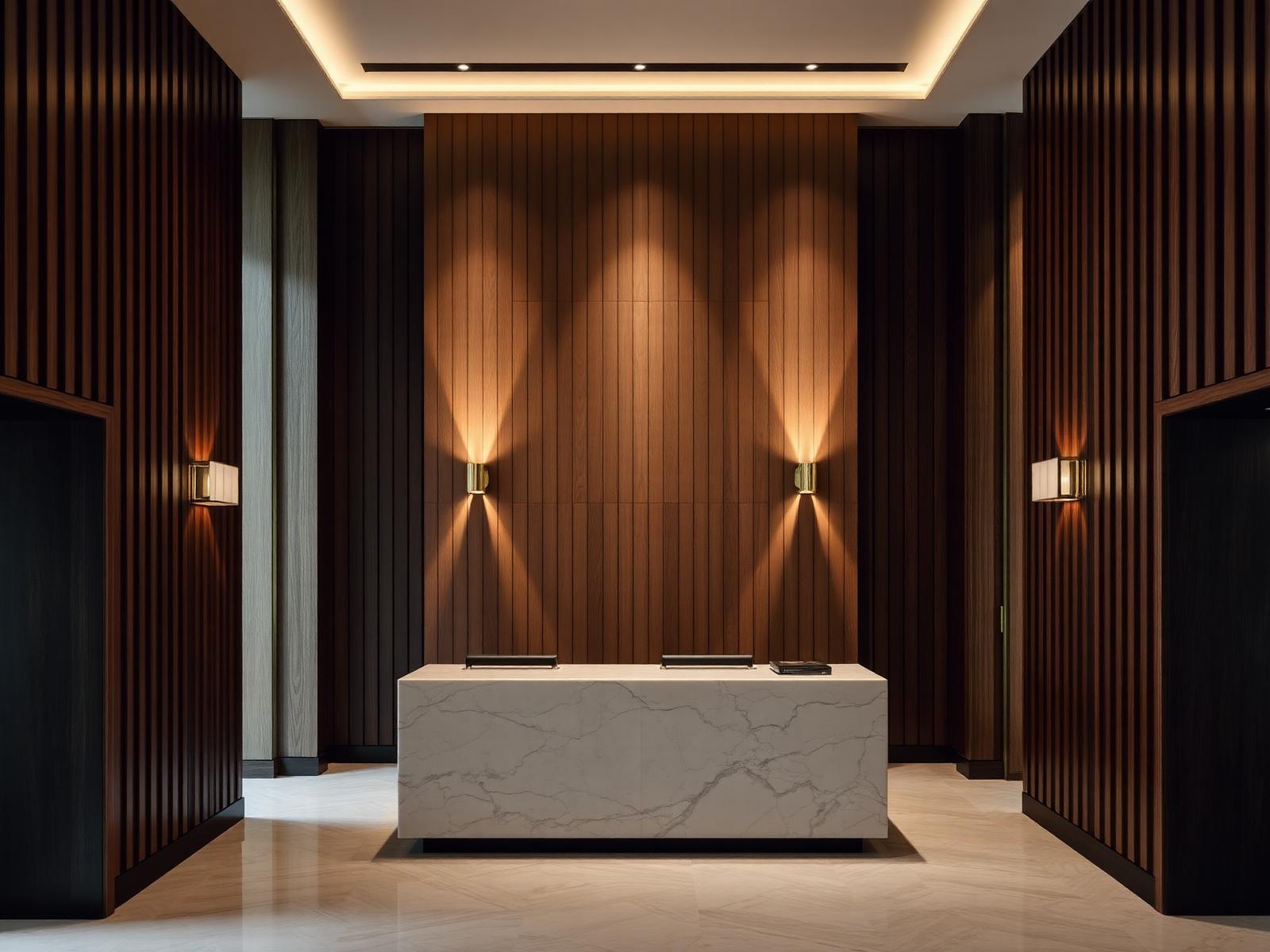
In residential interiors, veneers are most at home on the surfaces you live closest to — wardrobe fronts, headboards, kitchen joinery and the feature wall that sets the temperature of a room. In commercial settings they scale up gracefully: reception walls, boardroom panelling, hospitality millwork and retail fit-outs where the surface has to carry a brand as well as take daily wear.
Projects featuring Ranger veneers
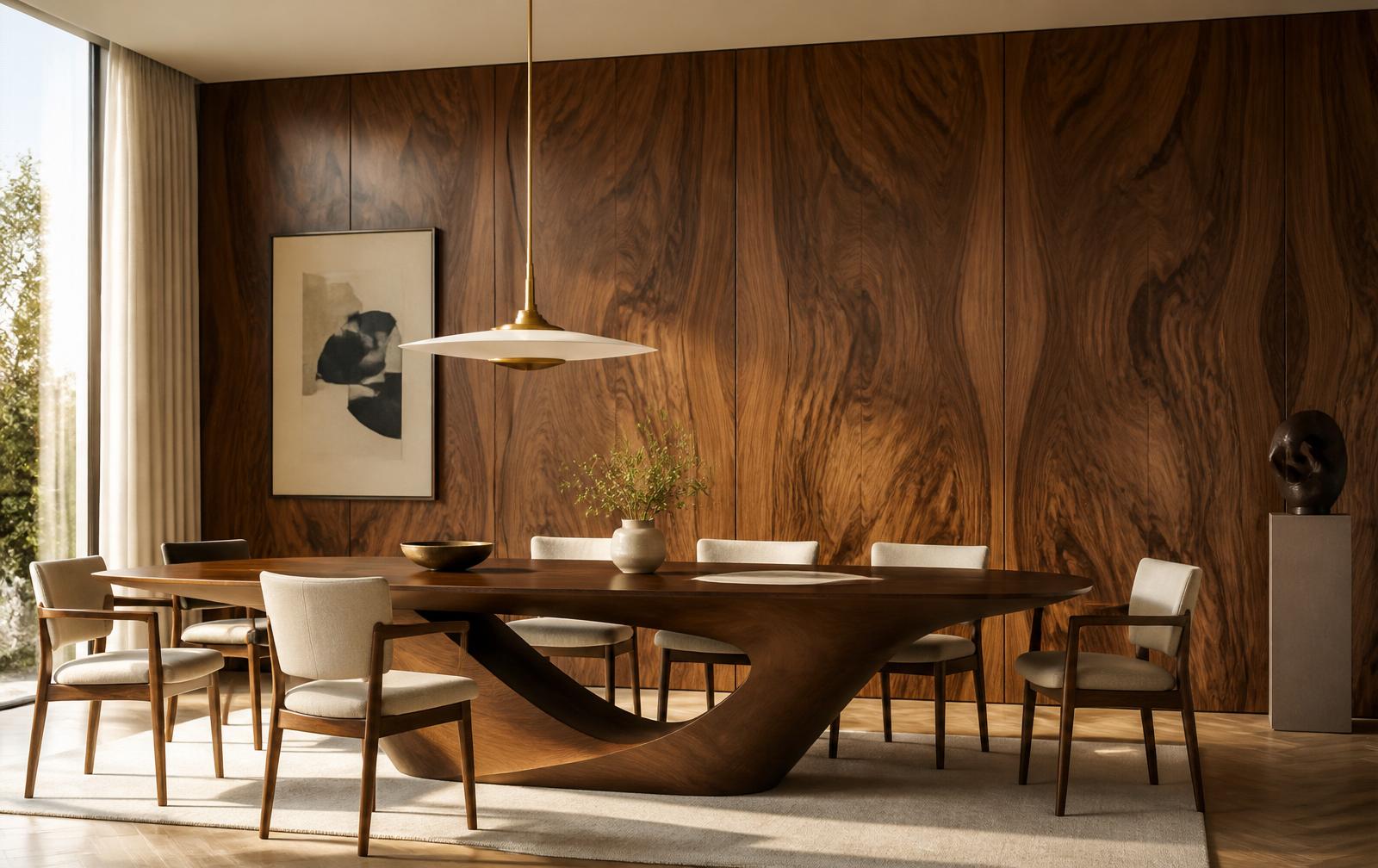
The most convincing case for veneer is always a finished room. Across private residences, workplaces and hospitality interiors, Ranger veneers appear where designers want the warmth of natural grain to lead — book-matched panels that read as one continuous plane, and cabinetry where every leaf has been chosen to sit in sequence.
“A veneer should let you read the whole life of the tree in a single leaf — and then quietly hold a room together.”
Tips for designing with veneer
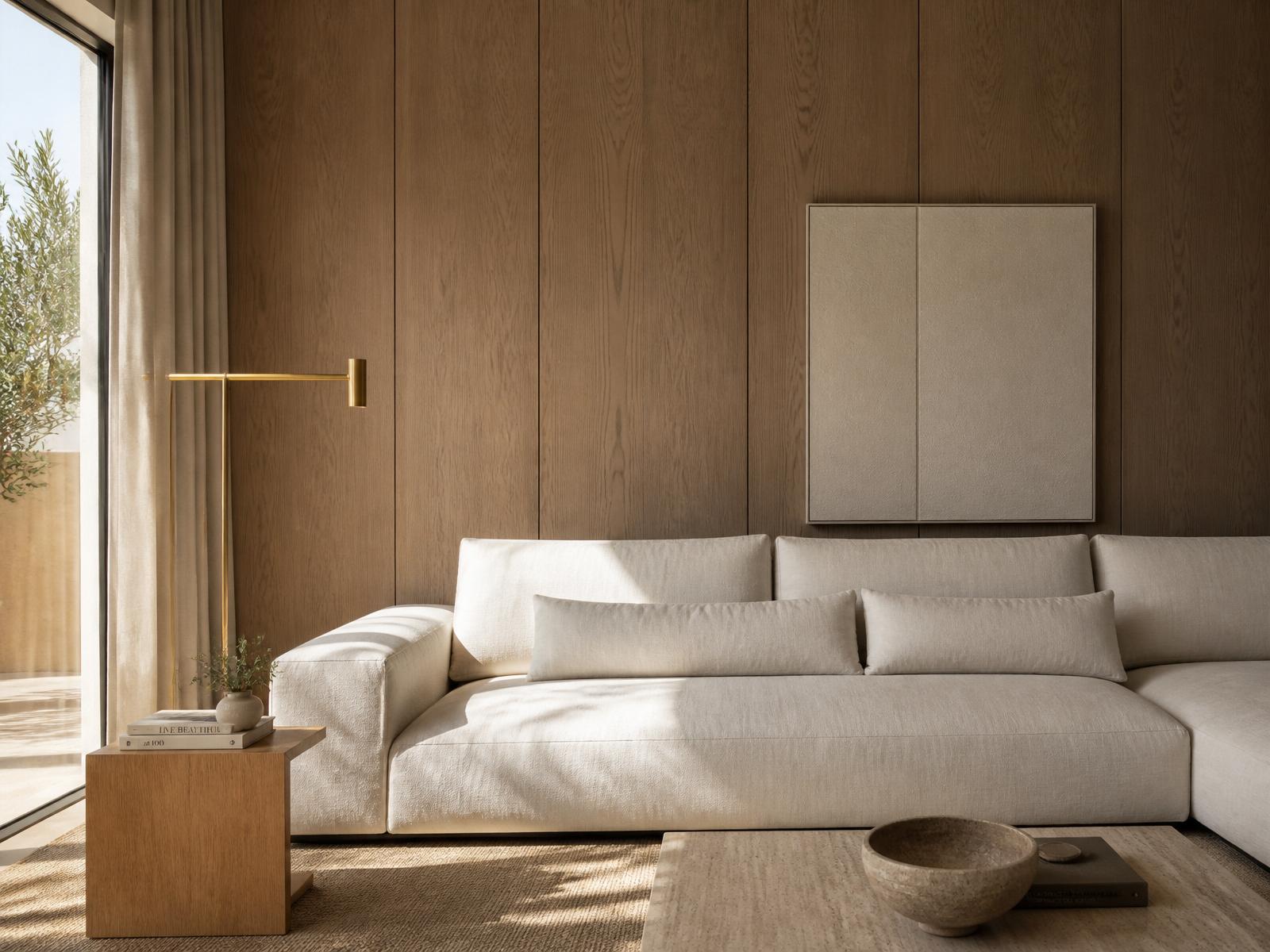
Let one species lead and keep everything around it calm. Batch the leaf for a whole room from a single flitch so the grain reads as rhythm rather than repetition. Decide early between book-matching for symmetry and slip-matching for a uniform field. And choose the finish — polished or left honest — for the light the room actually gets, not the sample under studio lighting.